
Blog
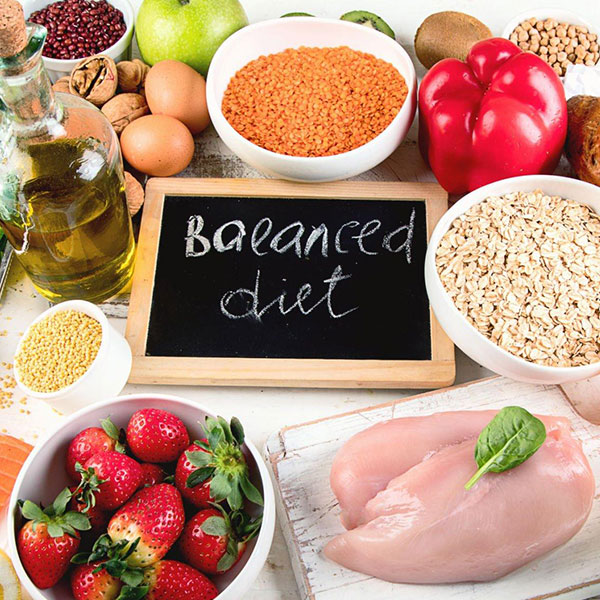
List of foods that contain all the essential vitamins
Vitamins are essential micronutrients that the body needs to function optimally. Each vitamin plays a unique role in maintaining good health, and a deficiency in any of them can lead to various health issues. Therefore, it is crucial to include a variety of foods in your diet to ensure that you get all the essential vitamins that your body requires.
Here is a list of the thirteen essential vitamins that the body needs:
Vitamin A
Vitamin A is crucial for maintaining good vision and a healthy immune system. Food sources that are rich in vitamin A include sweet potatoes, carrots, spinach, kale, red bell peppers, and apricots.
Vitamin B1 (thiamine)
Vitamin B1, also known as thiamine, is essential for converting food into energy. Food sources that are rich in thiamine include whole grain breads, cereals, pasta, pork, nuts, and seeds.
Vitamin B2 (riboflavin)
Vitamin B2, also known as riboflavin, plays a vital role in converting food into energy and supporting the metabolism. Food sources that are rich in riboflavin include milk, yogurt, cheese, leafy greens, and almonds.
Vitamin B3 (niacin)
Vitamin B3, also known as niacin, supports the metabolism and nervous system function. Food sources that are rich in niacin include meat, poultry, fish, peanuts, and mushrooms.
Vitamin B5 (pantothenic acid)
Vitamin B5, also known as pantothenic acid, supports metabolism. Food sources that are rich in pantothenic acid include meat, poultry, fish, whole grains, and avocado.
Vitamin B6 (pyridoxine)
Vitamin B6, also known as pyridoxine, supports the metabolism and nervous system function. Food sources that are rich in pyridoxine include chicken, turkey, fish, potatoes, and bananas.
Vitamin B7 (biotin)
Vitamin B7, also known as biotin, supports metabolism. Food sources that are rich in biotin include eggs, yeast, mushrooms, almonds, and sweet potatoes.
Vitamin B9 (folate)
Vitamin B9, also known as folate, supports cell growth and the production of red blood cells. Food sources that are rich in folate include leafy greens, broccoli, asparagus, lentils, and citrus fruits.
Vitamin B12 (cobalamin)
Vitamin B12, also known as cobalamin, supports the nervous system and the production of red blood cells. Food sources that are rich in vitamin B12 include meat, poultry, fish, dairy products, and eggs.
Vitamin C (ascorbic acid)
Vitamin C is an essential nutrient that supports the immune system and helps the body absorb iron. Food sources that are rich in vitamin C include citrus fruits, strawberries, bell peppers, broccoli, and tomatoes.
Vitamin D
Vitamin D is crucial for maintaining strong bones and a healthy immune system. Food sources that are rich in vitamin D include fortified milk, fatty fish (such as salmon), mushrooms exposed to sunlight, and egg yolks.
Vitamin E
Vitamin E supports the immune system and acts as an antioxidant. Food sources that are rich in vitamin E include nuts, seeds, vegetable oils, leafy greens, and whole grains.
Vitamin K
Vitamin K is essential for blood clotting and bone health. Food sources that are rich in vitamin K include leafy greens (such as kale and spinach), broccoli, Brussels sprouts, and kiwi.
At Lura Fitness, we understand that every woman is unique and has different needs when it comes to their health and fitness goals. That's why we offer customized diet and exercise plans tailored to each individual woman's needs and requirements. Our experienced trainers and nutritionists work closely with our clients to create personalized plans that take into account their current health status, fitness level, and lifestyle habits. We believe that personalized plans are the most effective way to achieve long-lasting results and help our clients reach their health and fitness goals.